






No products in the cart.


Communities in Kwekwe strengthen action to end child marriage

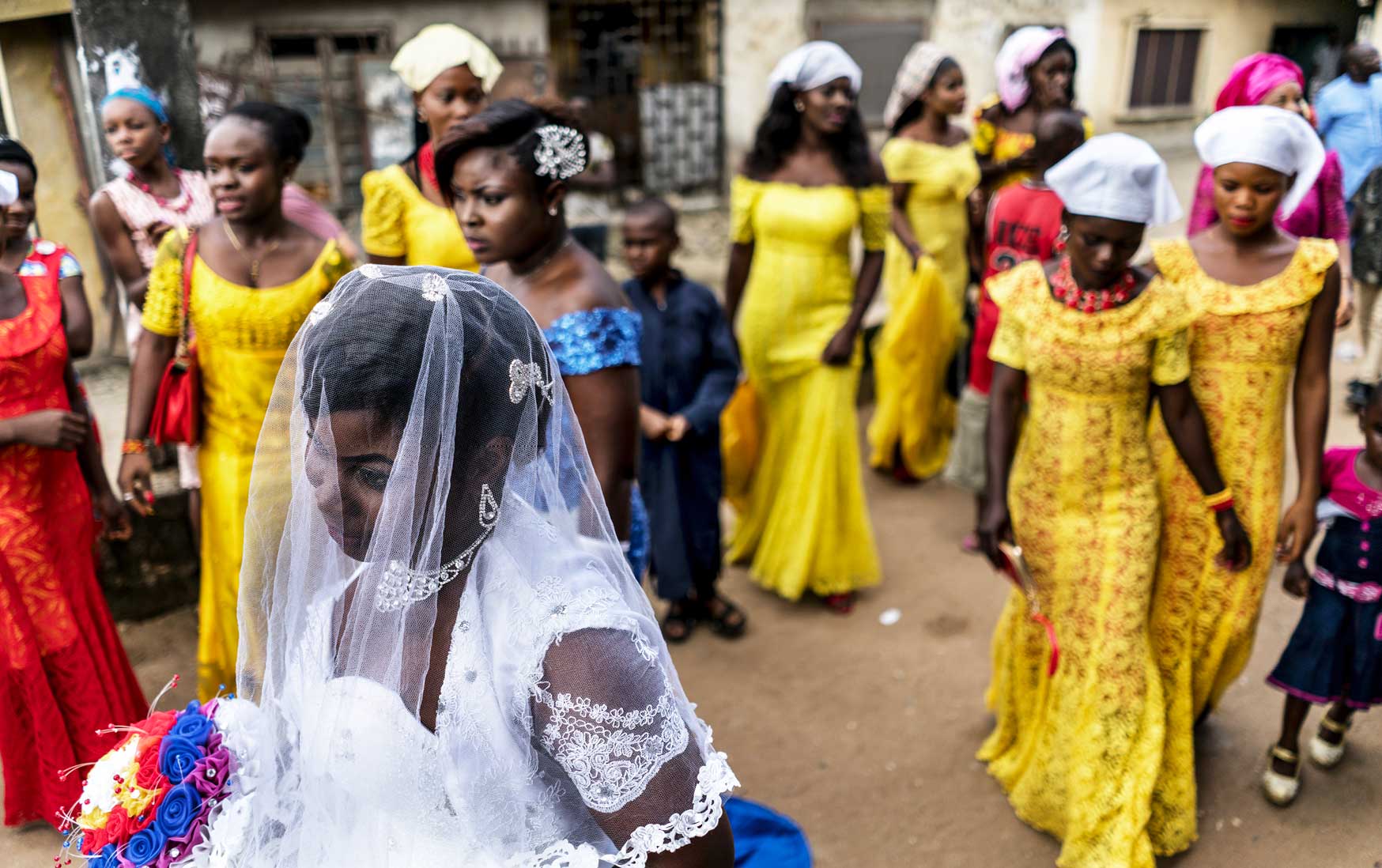
A 3-year initiative in Kwekwe District has supported girls to stay in school, strengthened community action and expanded opportunities for young people as part of efforts to prevent child marriage.
Communities across Kwekwe District are taking collective action to create safer, more supportive environments for adolescent girls and young people.
Over the past three years, the Promoting Education, Skills and an Enabling Environment to End Child Marriages (PROSE-ECM) project has brought together young people, families, schools, traditional and religious leaders, and community structures to address challenges that can increase vulnerability to child marriage. These include school dropout, teenage pregnancy, limited economic opportunities and harmful social norms.
As the project draws to a close, communities are reflecting on the progress made and the importance of sustaining efforts to protect children’s rights and expand opportunities for girls.

Supporting girls to stay in school
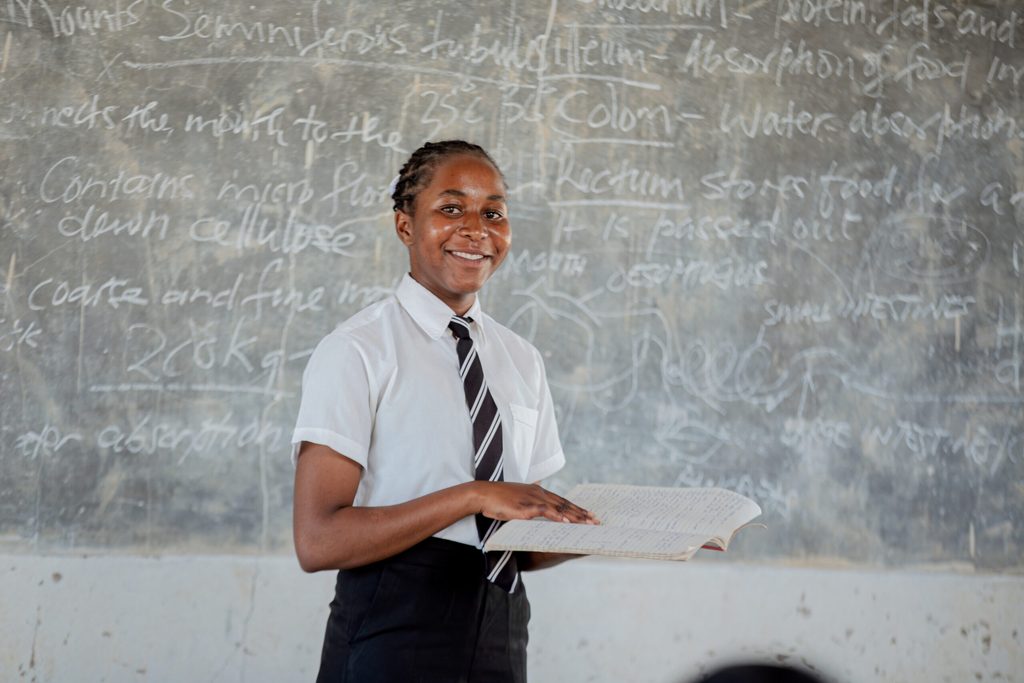
Education has been a key focus of the project, with 350 girls receiving support to remain in school. For 17-year-old Nyaradzo, the support helped her continue pursuing her education and future goals. “I wanted to stay in school because I know education can help me achieve my goals. The support made it possible for me to continue learning instead of giving up,” she says.
By helping reduce financial barriers to education, the initiative aimed to support girls to continue their studies and reduce risks associated with early marriage.
Building knowledge and opportunities
The project also supported 900 young people with information about Sexual and Reproductive Health and Rights (SRHR), helping them make informed decisions about their health and wellbeing.
In addition, 300 young people received vocational skills training to strengthen their employment prospects and support their economic independence.
Recognising that lasting change requires action across the whole community, the project also worked closely with parents, local leaders and community volunteers.
A total of 700 parents participated in positive parenting sessions, while traditional leaders, religious leaders and Community Child Workers were engaged to strengthen child protection efforts and encourage dialogue around child marriage.
Chief Gwasela emphasised the role that communities can play in supporting young people: “We must listen to our young people, support families and speak openly about the dangers of child marriage.”

Young people leading change
Young people also played an active role in advocating for children’s rights and raising issues affecting their communities.
Through the project, 120 Junior Assembly members participated in advocacy activities and community discussions, helping ensure that young people’s voices were heard in decisions that affect their lives.
Their involvement reflects growing recognition of young people as leaders and agents of change within their communities.
Looking ahead
While the PROSE-ECM project has come to an end, community members, families and local leaders remain committed to building on the progress achieved.
Through stronger community engagement, increased support for education and greater opportunities for young people, communities in Kwekwe are continuing efforts to help ensure that every girl can stay in school, make informed choices and shape her own future.
Source: Plan International